
Draw Steel - Learning to Run Games - January 11, 2026
January 11 at 1PM at Meanwhile Coffee
Sign Up on Discord!
Overview
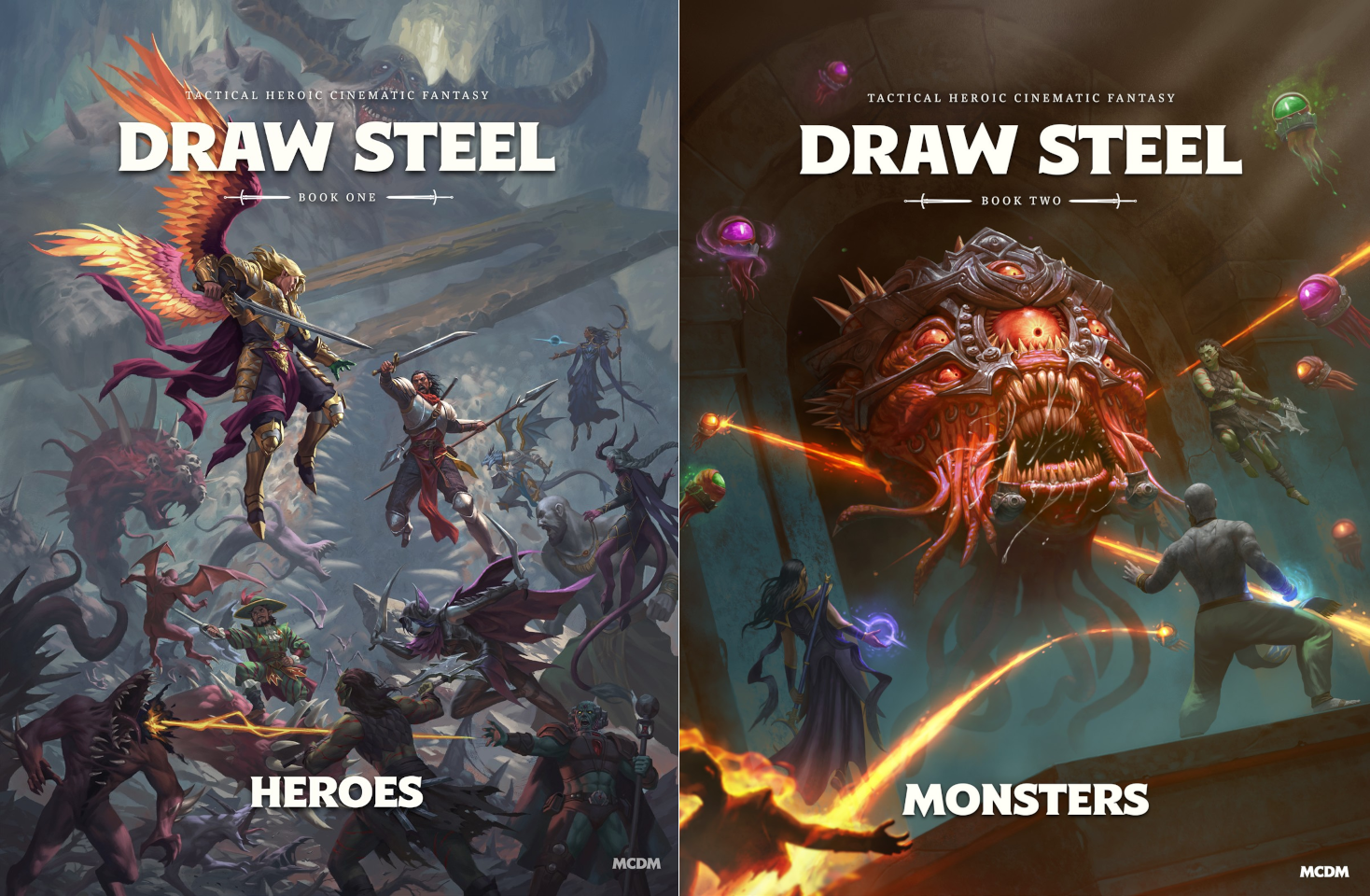
Draw Steel is a tactical, cinematic heroic-fantasy RPG where extraordinary heroes fight monsters using exceptional abilities and teamwork to create short, impactful combats scenarios.
The game centers on fast, tactical combat and cinematic heroism. Draw Steel tackles combat directly by changing the way the game is played and removing the slog of combat we typically see in D&D 5E. Players focus and attention during every turn pays off because every ability deals progress toward victory. Fights are about teamwork and positioning in a constantly changing battlefield. Characters are defined by unique and creative classes, ancestries, and kits that help every player feel powerful.
This game favors action over bookkeeping: no encumbrance, no tracking rations, and fewer attrition mechanics than many d20 systems. Abilities read like scenes with names and effects that spark imagination. Players feel like Heroes in a story rather than number‑counters on tracking stats and inventory.
All of this encourages teamwork, discovery of synergies, and narrative that keeps the game centered on dramatic choices and tactical problem solving.
Combat AND Negotiation
So far we have talked about Draw Steel in terms of combat and action, but Draw Steel also includes a different way to handle Non-Combat resolutions.
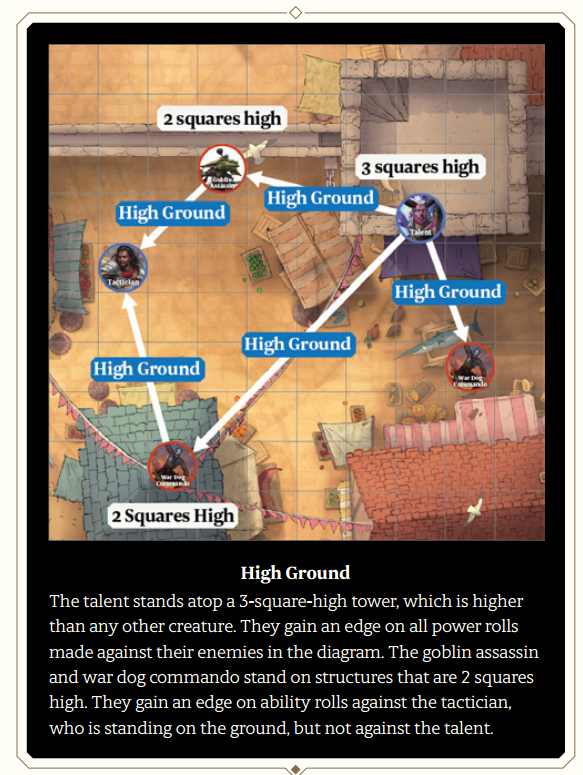
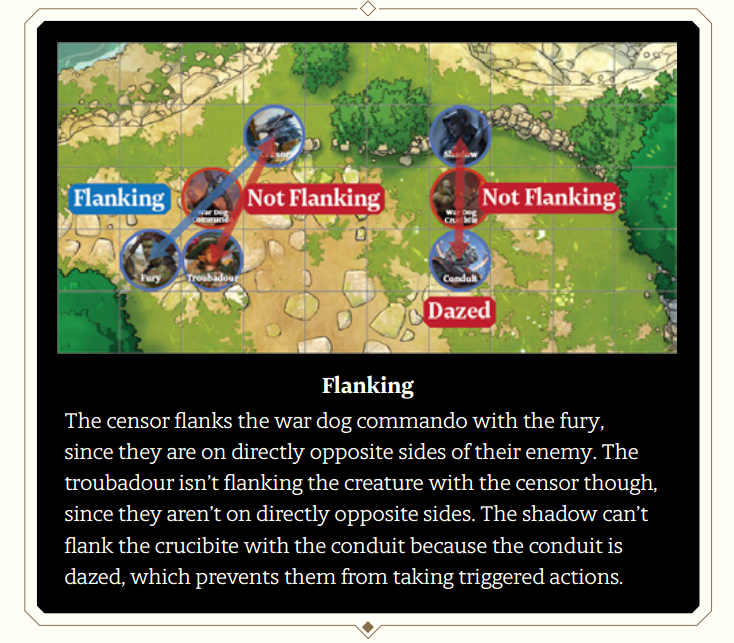
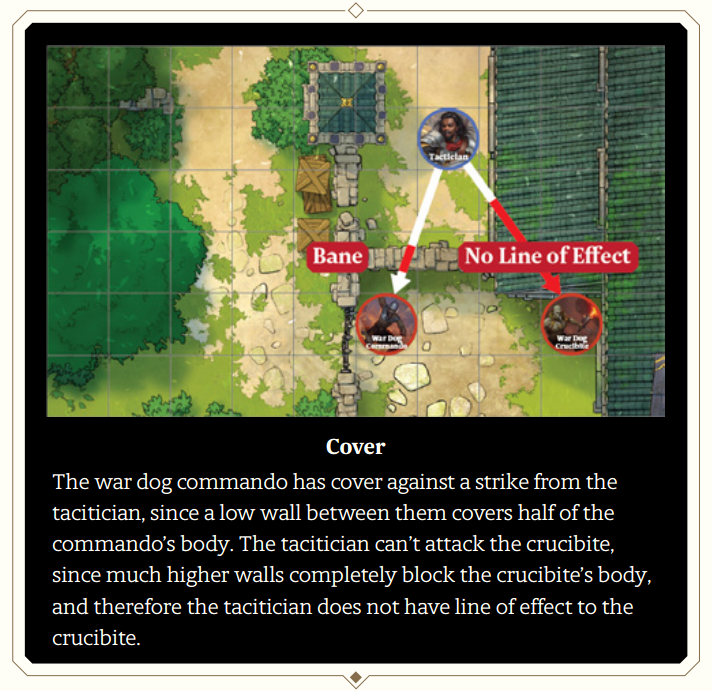
In Draw Steel every combat becomes a cinematic event that encourages players to be daring and leverage their characters abilities to the utmost. Resources come back every turn, and cover, reach, and forced movement matter, Ther's no “I miss, who’s next?”—so every turn feels impactful. Edges and Banes change outcomes meaningfully to help players gain the upper hand in a variety of ways to help keep things punchy, reward teamwork and synergies, and cut the busywork. The goal is to spend time being heroes.
Negotiation in Draw Steel is treated like a dramatic scene with mechanical teeth: social tests, arguments, and group tests make talkative moments tense and tactical rather than a string of isolated skill checks. This helps make roleplay flexible where failures create meaningful narrative consequences, and the Director has built‑in tools—timers, objectives, escalating stakes—to keep negotiations moving and engaging. The net result: faster sessions, more heroic moments, and deeper tactical and narrative payoff from both fights and conversations.
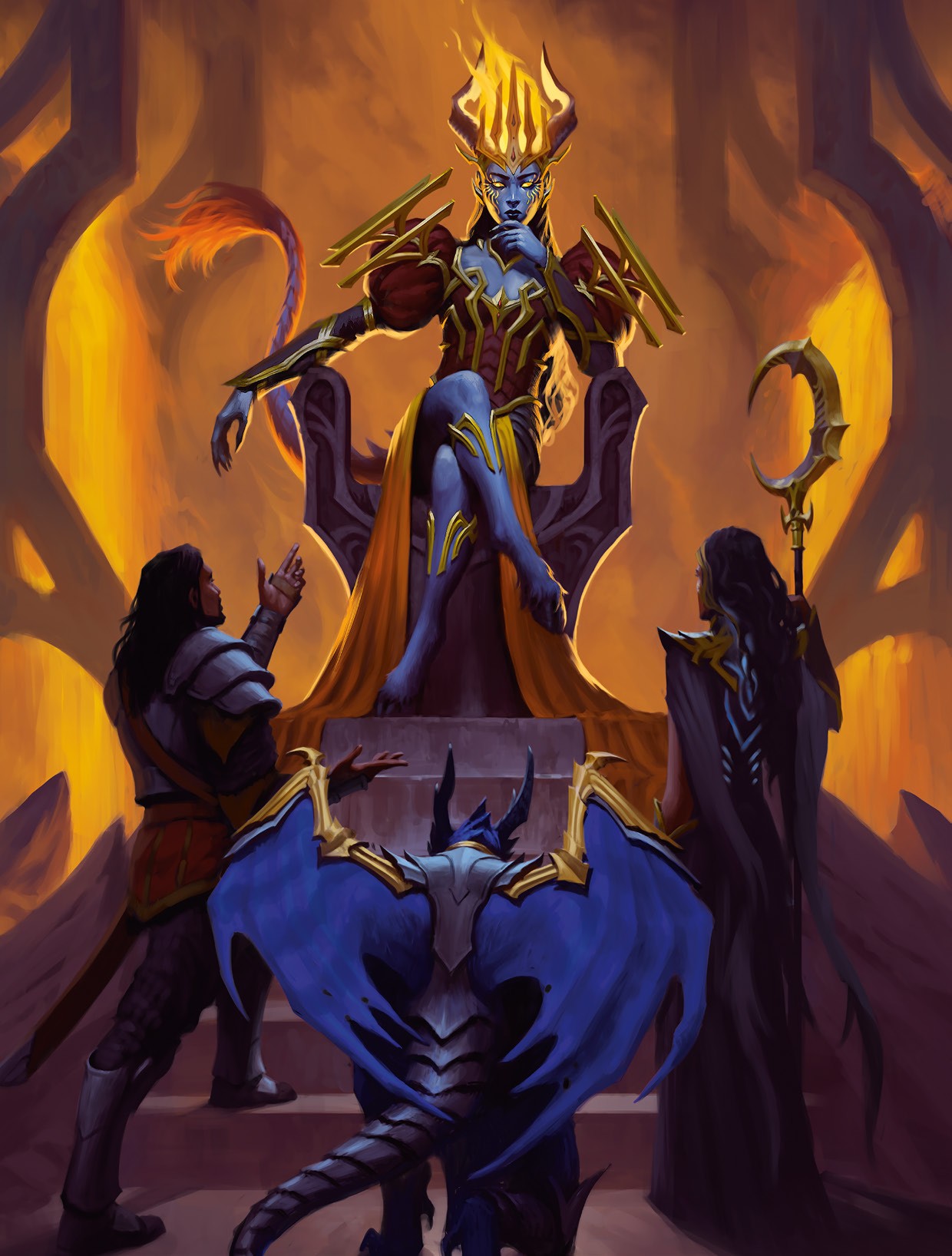
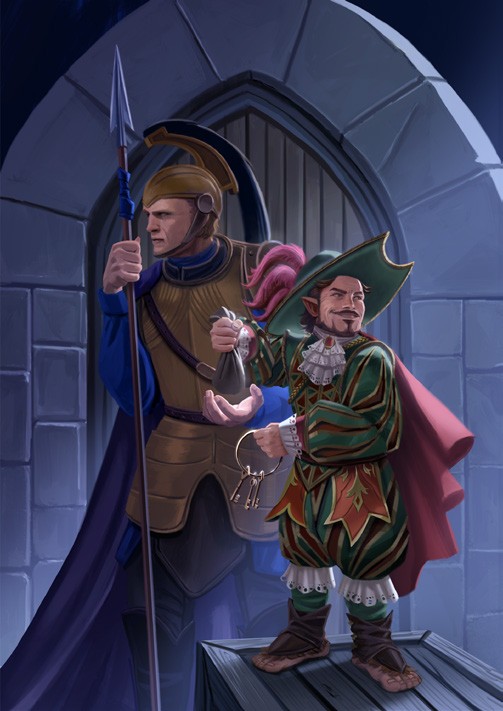
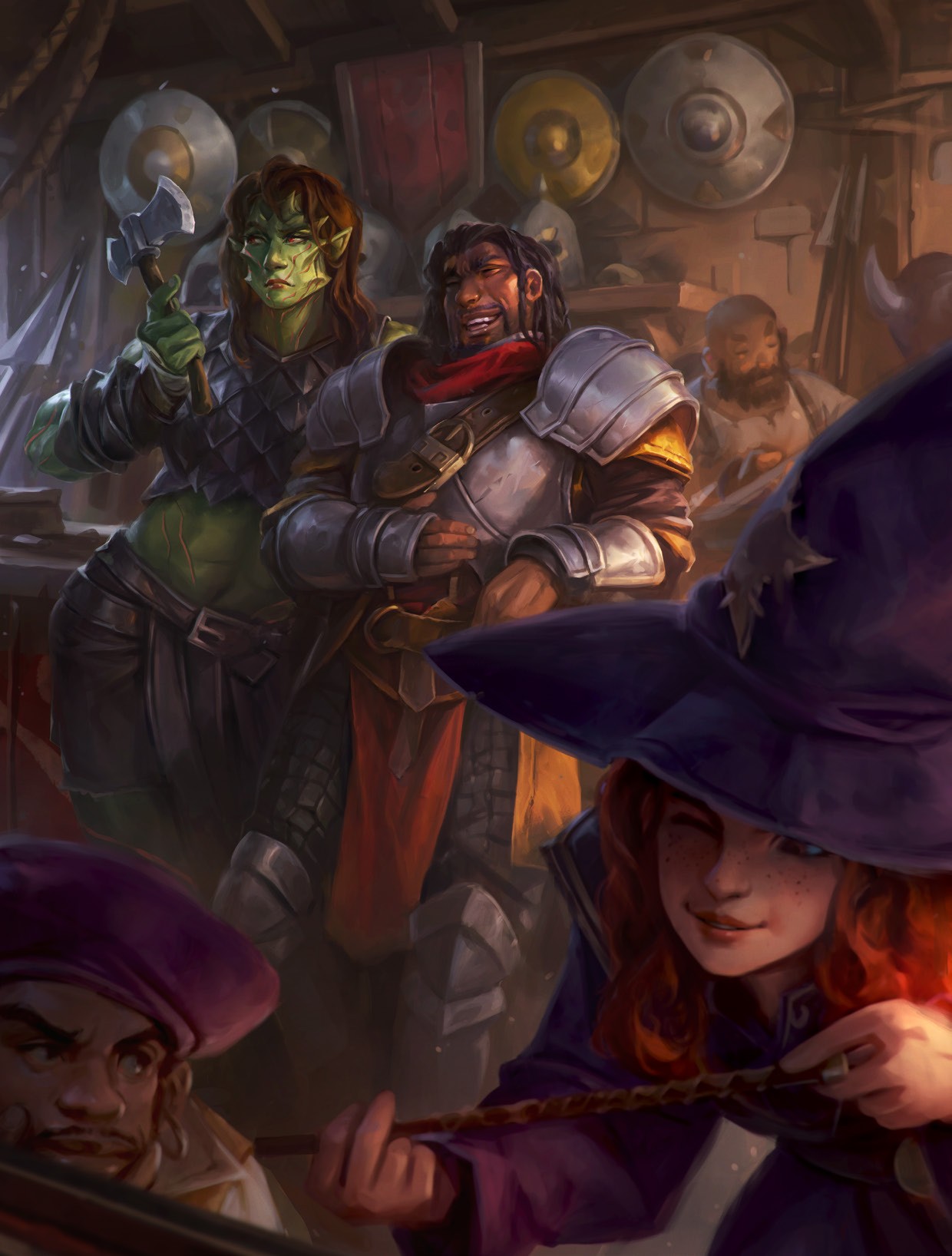
Learning to Run Games - The Delian Tomb
Learning to run a game is pretty easy using Draw Steel -is easy, but theThe Delian Tomb is designedbuilt to teach ANYONEanyone how to run Drawit. Steel. The wholeThis adventure is designedwritten to be run with nozero experience. It walkshas thepremade personcharacters, takingclear onbeats, theand rolestep‑by‑step ofguidance for the Director throughso the wholetable adventurelearns andthe teachesrules as you play. The minimal prep gets everyone to the table fast; the Director reads a short primer, hands out characters, and the adventure walks everyone—players and Director—through the gamegame’s atcore themoves, samecombat time.flow, and cinematic moments.
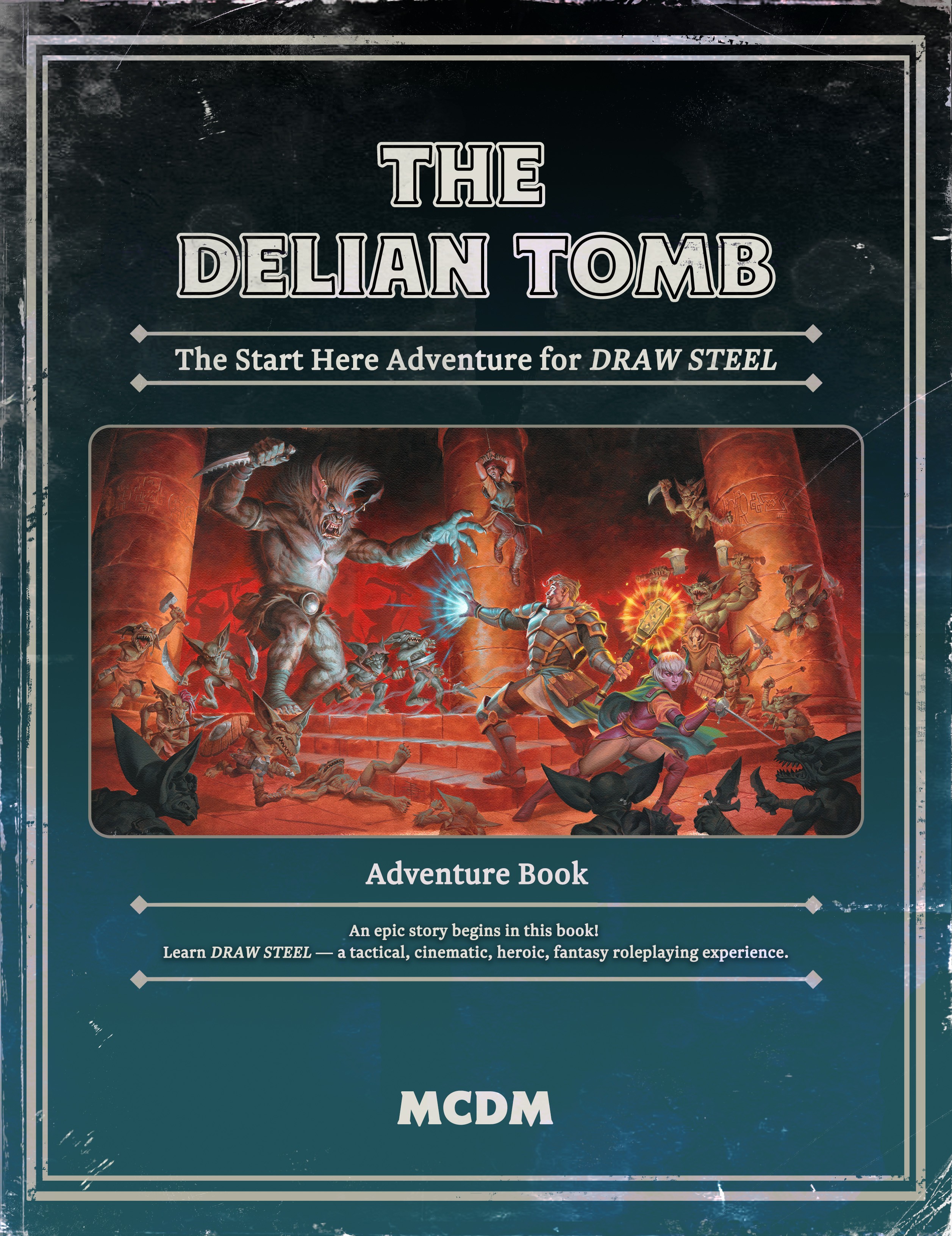
There is a small amount of prep for the Director to make sure you and the other players are ready to start The Delian Tomb with Premade Characters, but then the entire adventure is writtenmodular and organizedbite‑sized: each section is designed to teachfill as4–6 youhours play.of Theplay entire adventure is broken into multiple sections that will takeacross up to 4-6six hoursshort sessions, with each section teaching a new concept (positioning, maneuvers, heroic resources, social tests, and GM tools like countdowns and twists). It emphasizes practical learning—run a scene, see how the rules resolve it, then move on—so this will help you build confidence quickly and new players get to complete,be heroic without getting bogged down in rules. If you want a starter adventure that teaches by doing and upmakes your first Draw Steel game feel polished and cinematic, this is one of the best out there.
Quick Director checklist
- Read the short Director primer (15–30 minutes).
- Print or share premade characters.
- Sketch a simple map or use the provided map.
- Run the first section slowly—explain turns and maneuvers as they happen.
- Use the adventure’s prompts to
6spotlightsessionsteamworktoandcompletecinematicalldescriptions.
Why Theit Directorworks
- Play‑first teaching: rules are introduced in context, not as a
littlelecture. - Low
ofprep,ahighhead-startpayoff:byeverythingreadingisthereadyadventureforaheadyouof-time,minimalbutsetup,themaximumplayerslearning. - Designed
zeroforknowledgeconfidence:toscriptedbegin.GM cues and clear stakes that make running Draw Steel easy for anyone.
Many other games do have an introductory adventure, or starter set, but The Delian Tomb is one of the best for brand-new players to learn how to play TTRPGs with zero previous experience.